
Product Number: MM00100
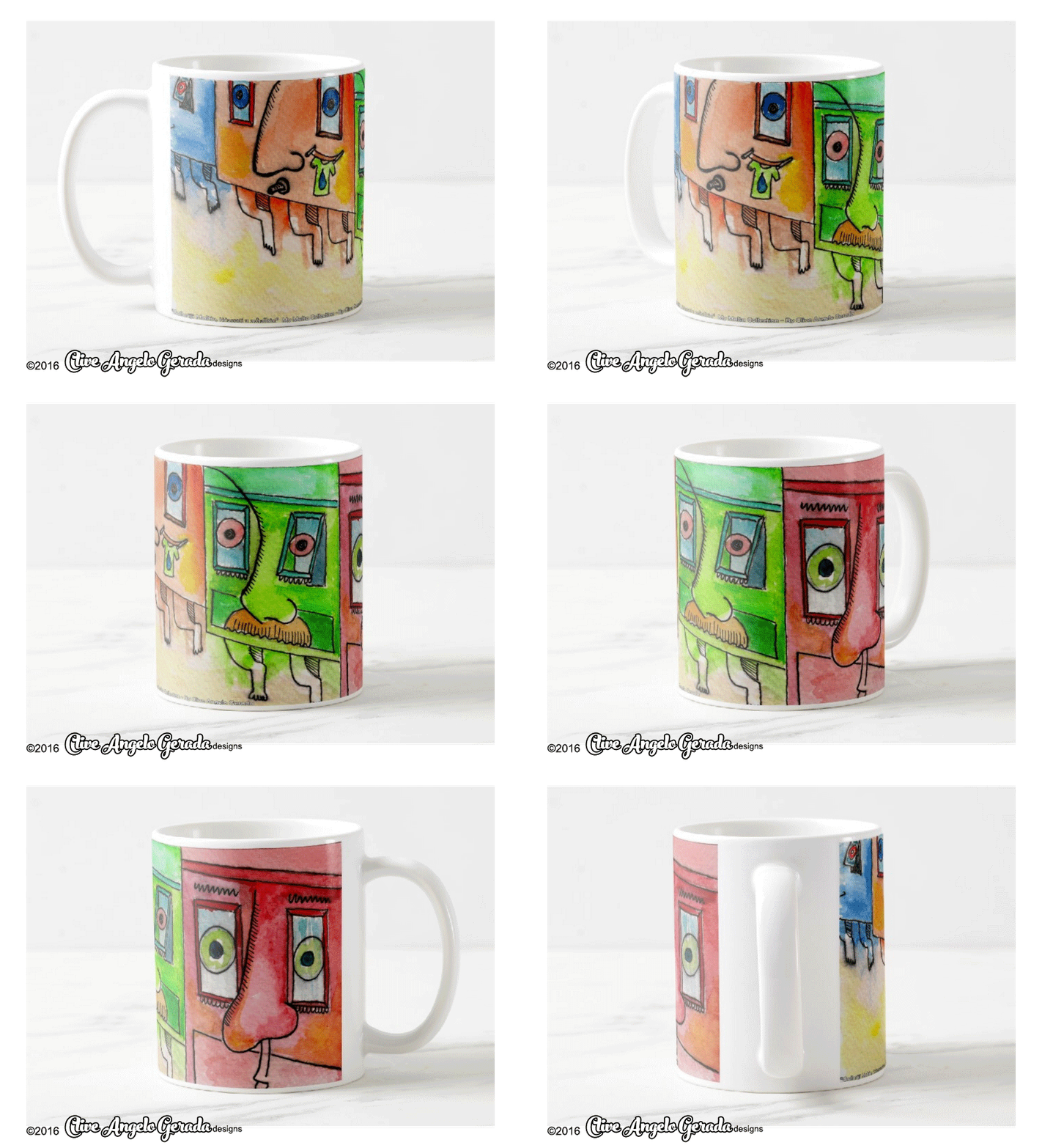
"Gallariji Maltin, iċċassati u mħalltin"
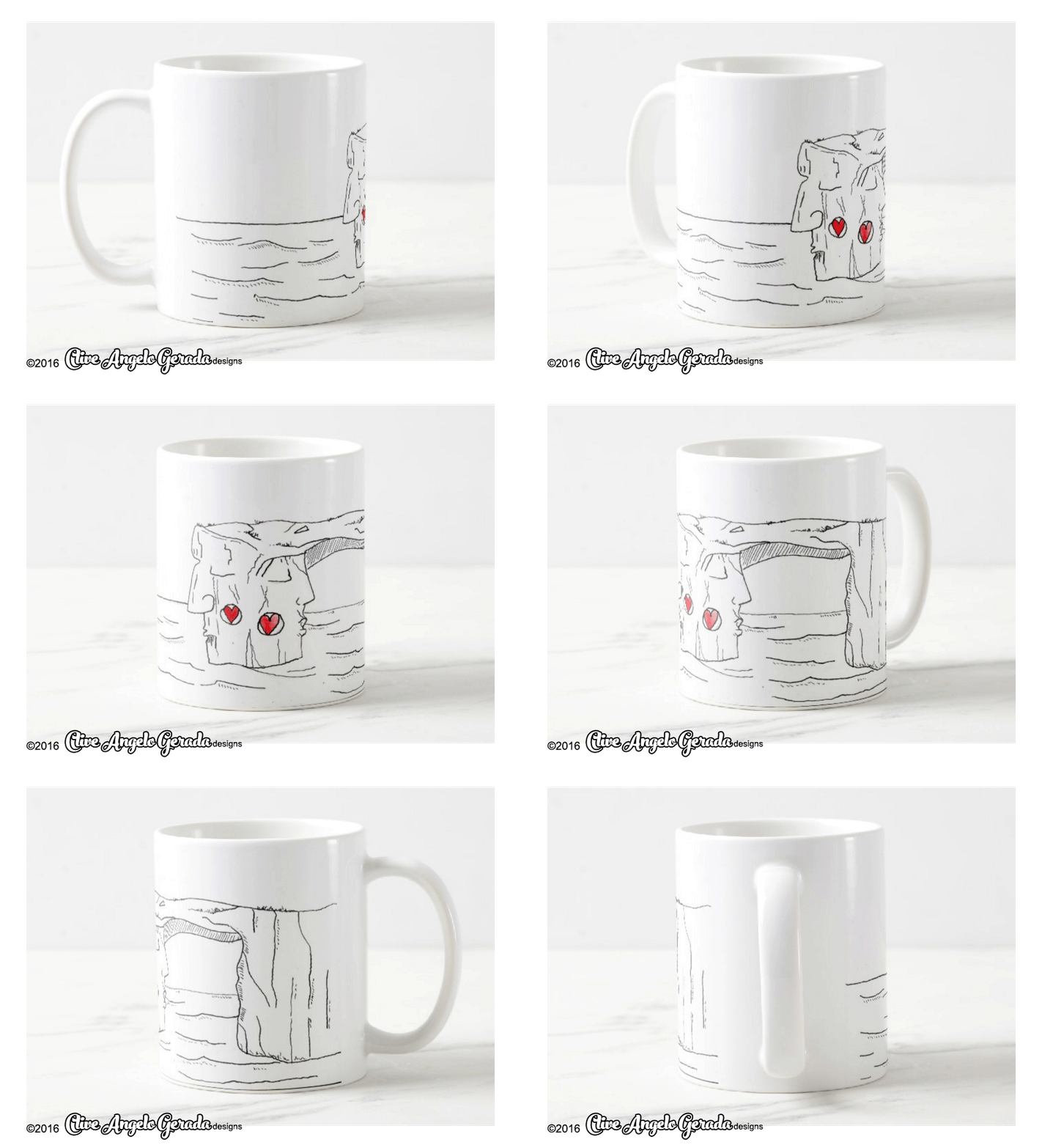
"Uċuħ id-Dwejra"
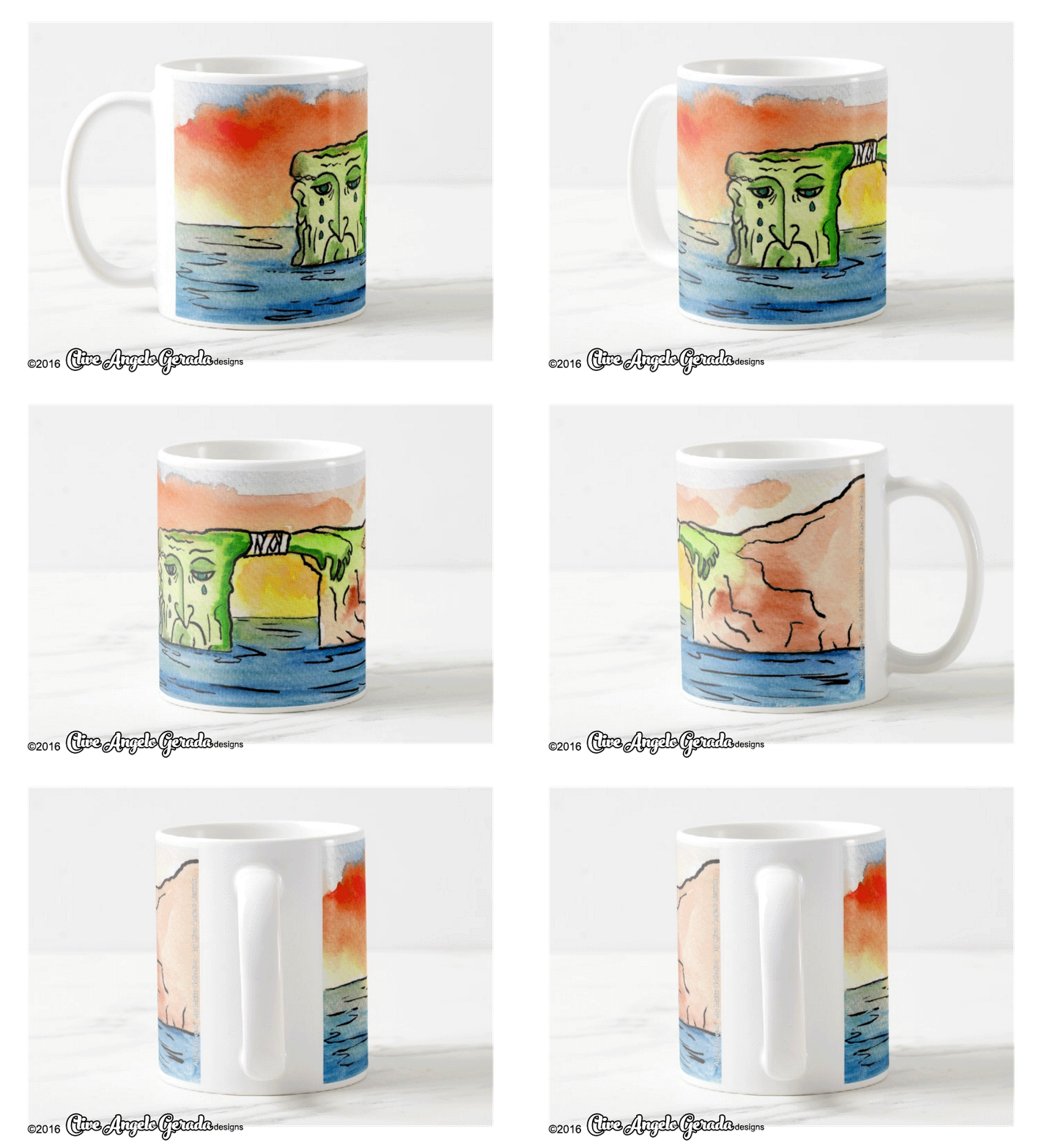
The term ‘dwejra’ derives from the Maltese phrase “a small home” and has a dual meaning: tradition has it that a small house was indeed present for many years in this remote location from which inhabitants would enjoy the stunning sunset scenes. But the metaphor of a ‘home’ is also an analogy referencing the huge, almost parallel vertical rocks which form what has been from time immemorial a primitive shape of a dwelling.
Known as the ‘Azure window’ this majestic phenomenon is the result of geological forces which have shaped the face of the island of Gozo over several millennia.


Product Number: MM00102
At the moment the inside of this mug comes only in white.
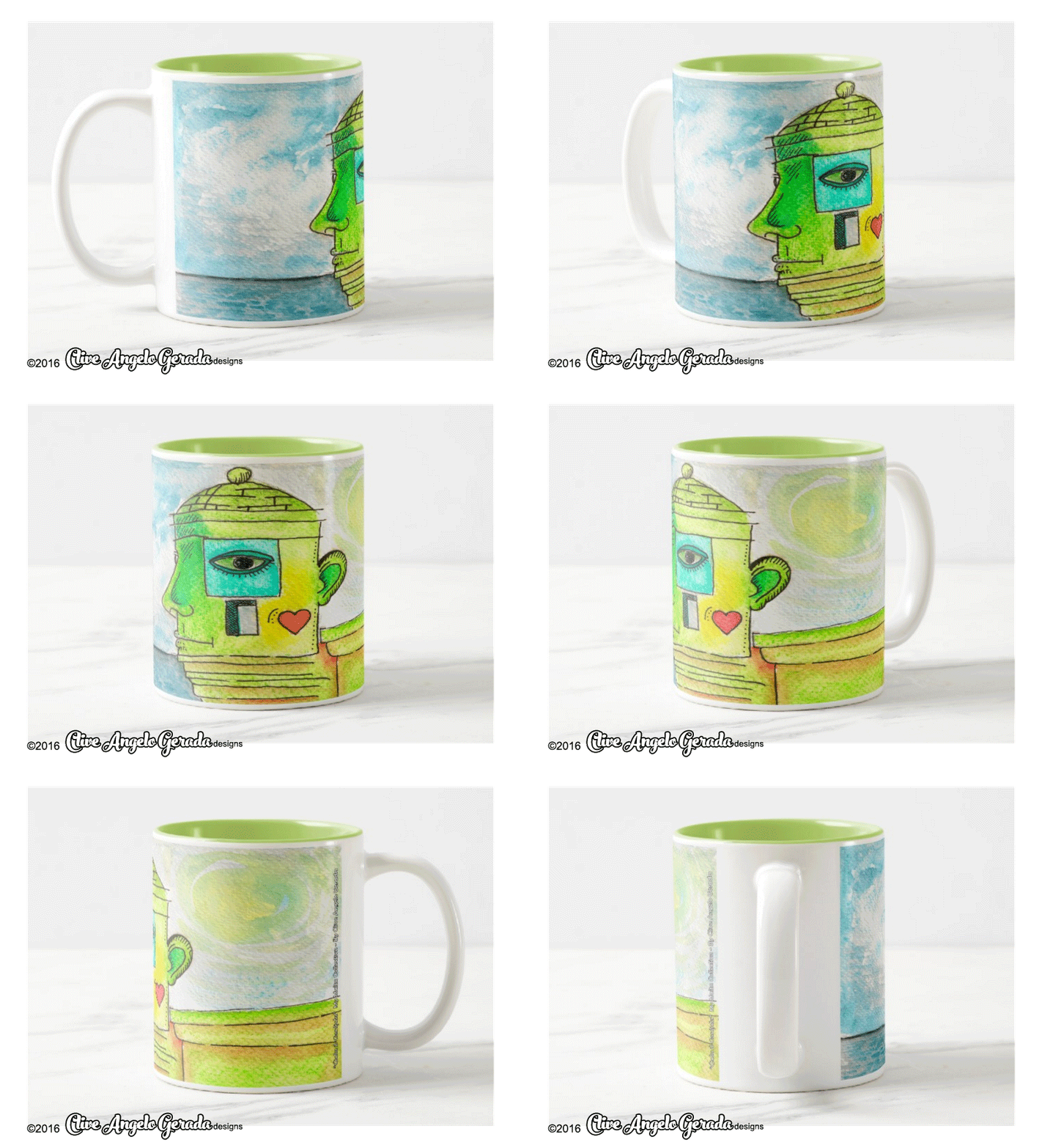
"Ġolu il-Gardjolu"
The Maltese balcony derived from the Arabic Muxrabija (look-out place). During the rule of the Order, Malta was home to a huge number of Turkish slaves, some of whom were craftsman who might have helped to introduce the wooden balcony to Malta. Wooden balconies are mostly made of red deal (ta l-ahmar). They used to be priced by purtella (window section) and often matched the main door. But as an old saying puts it "the sun eats the wood while rain gives it drink". Since our climate is particularly stressful to these structures, the best traditional solution was always thought to be paint which gives the wood strength and oils.
The guard tower, ‘Il-gardjola’, has various symbols sculpted on in such as an eye, an ear and the crane bird which represent guardianship and observance protecting the Maltese shores.
The eye on the tower is a popular icon representing Malta, featured in many brochures about the Island, hence why the design portraits the gardjola in the shape of a human head, with eyes, nose and ears.

Product Number: MM00103
"Arċipelagu"
Product Number: MM00101
"Ailing Dwejra"

Product Number: MM00104

Product Number: MM00105
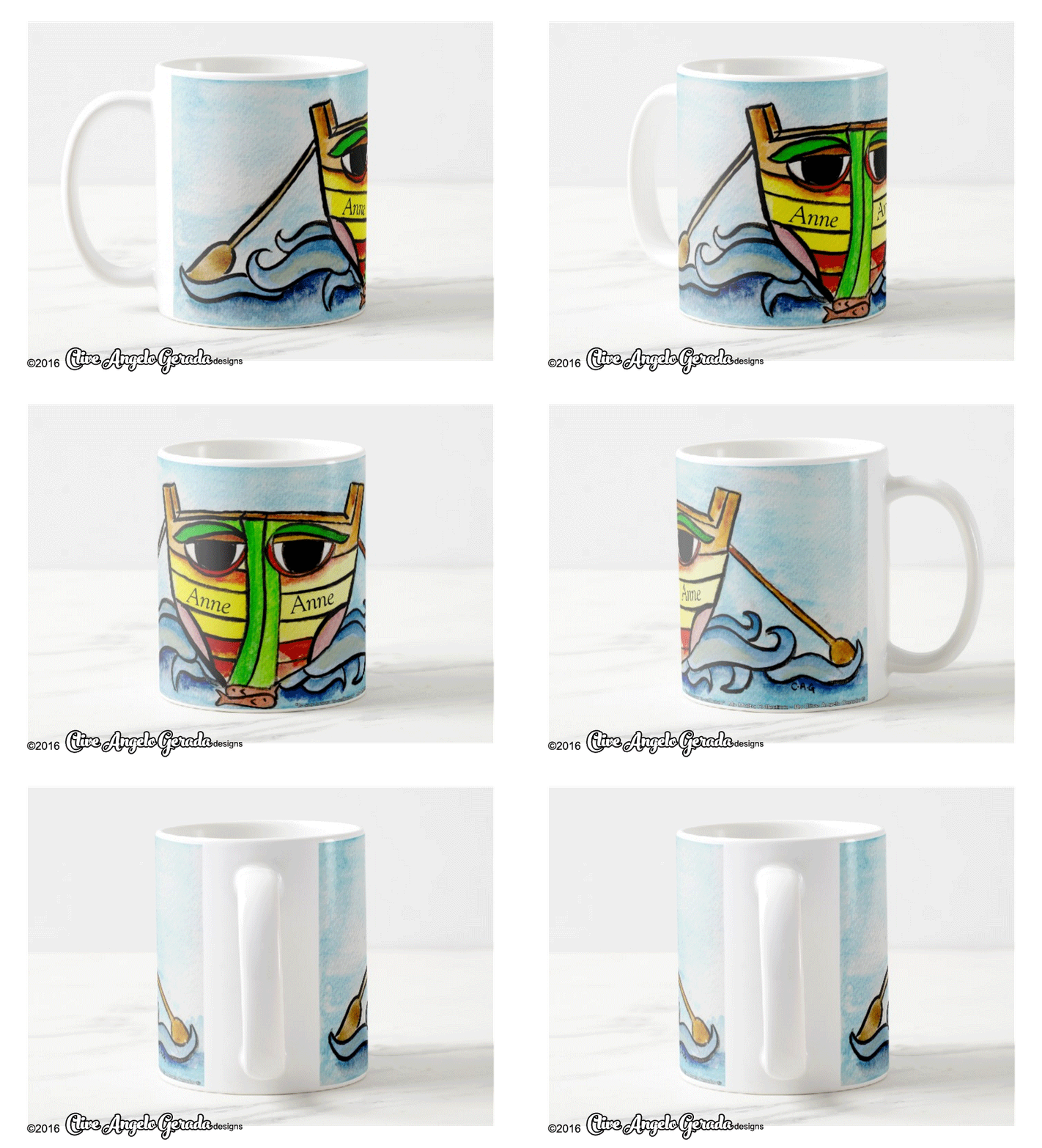
The name on this product can be personalised
"Is-sur luzzu is-sulluzzu"
Luzzus are essentially Maltese traditional fishing boats. They are typically painted in traditional bright colours including blue, yellow, red and green. You can normally spot a rather large number of luzzi in Malta’s seaside villages, including Marsaxlokk and Marsascala on the south side of the island. Due its stable, sturdy and reliable nature, the design of the luzzu dates back to the Phoenician times. In fact, the luzzu can be used both in good and in bad weather conditions. The boats normally have a double-ended hull and are built using wood. During the Phoencian times, the luzzu used to be smaller and used to be equipped with sails. There is quite a lot of superstition surrounding the luzzu, the most prominent of them all being the painted or engraved pair of eyes on the front of the boat. These eyes are believed to be a modern survival of an old Phoenician tradition, and are normally referred to as the Eye of Orisis, or the Eye of Horus – the Phoenicians’ god of protection from evil. They are a symbol of protection and good health, and are believed to protect the fishermen from any harm while they are out at sea.
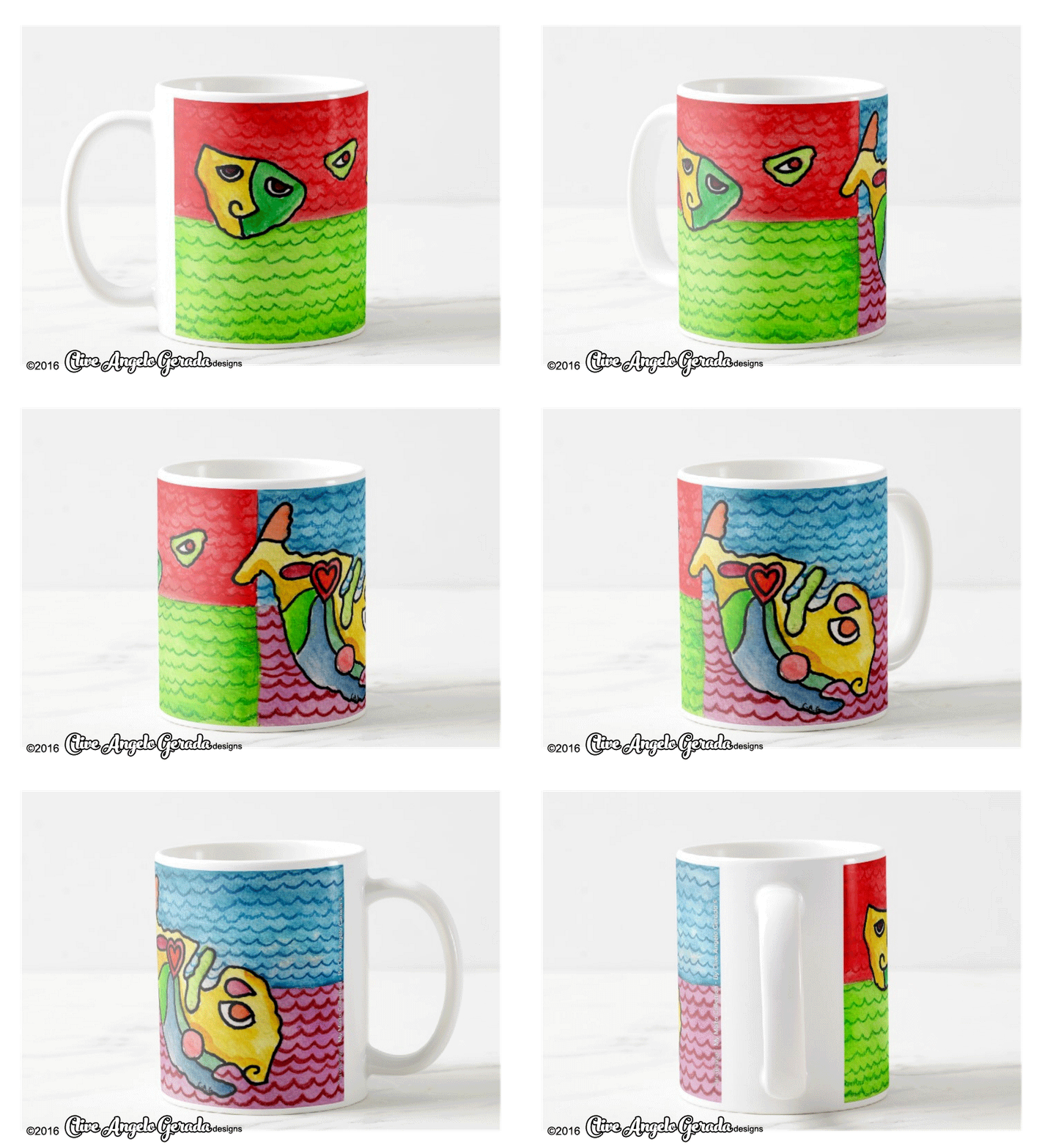
The Maltese archipelago, which consists of Malta, Gozo and Comino lies in the centre of the Mediterranean Sea, 90 kms to the South of Sicily and 290 kms to the north of the African coast. There are also the uninhabited islands of Cominotto, Filfla and St. Paul's Island. The Maltese Islands cover an area of 316 square kilometers (Malta 246 km2, Gozo - 67 km2, Comino - 2.7 km2) and the total population of the Islands is approximately 380,000. The main Island, 'Malta' is often depicted as a fish, hence why this particular design.
Product Number: MM00107
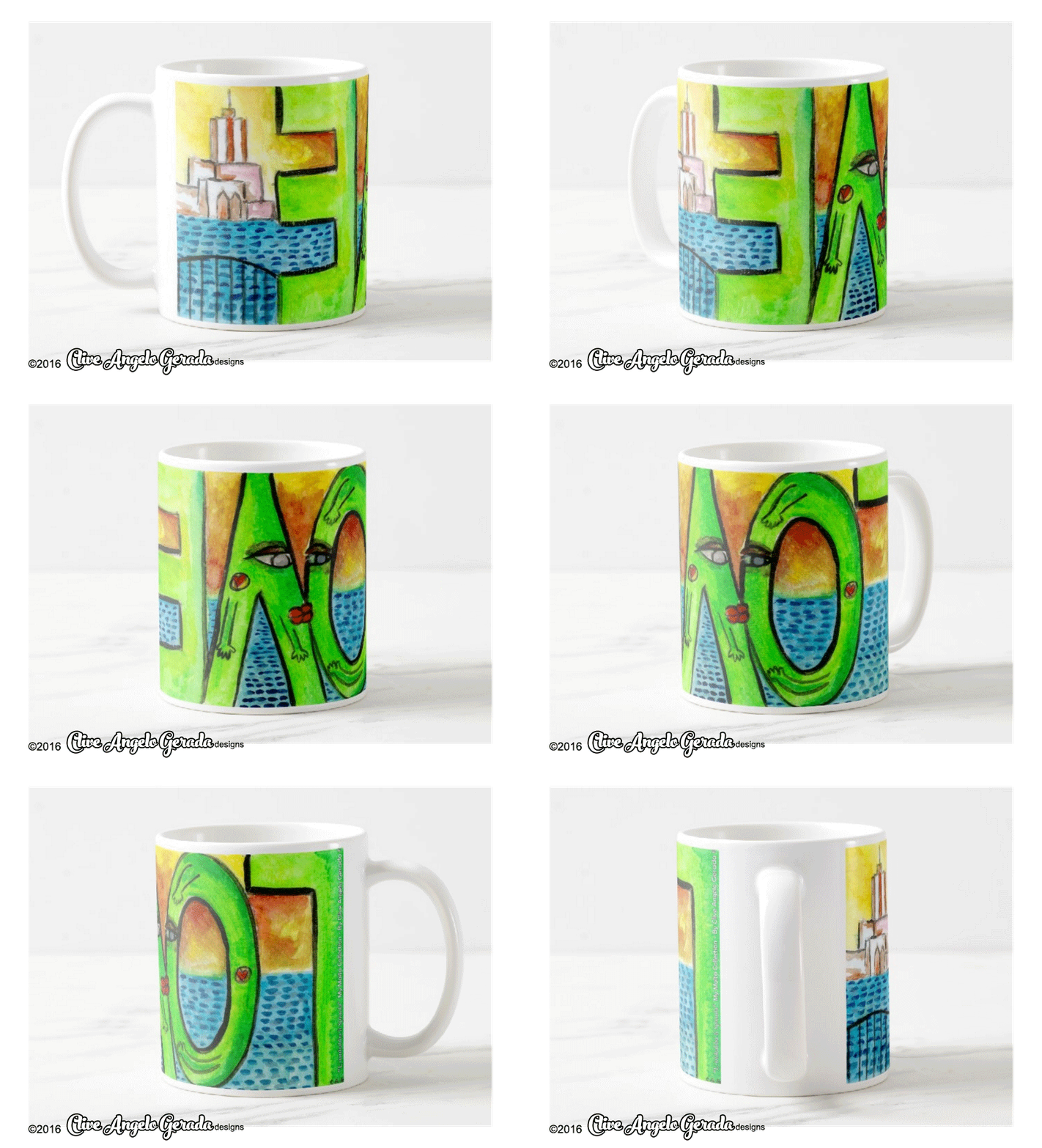
"Imħabba maqluba"
It spells the word love in huge letters, Richard England's statue in St Julian's Spinola Bay. The inverted letters trigger feelings that are diametrically opposed to what the statue spells out. Thus one can see padlocks attached on the railings next to it which define the meaning of true love between couples.
"Il-belt tħares is-Sliema"

Product Number: MM00110
The Mug design above, depicts one of the most famous scenes in Malta. That of Sliema overlooking Valletta, from Tigne' point.


Product Number: MM00106
The name on this product can be personalised
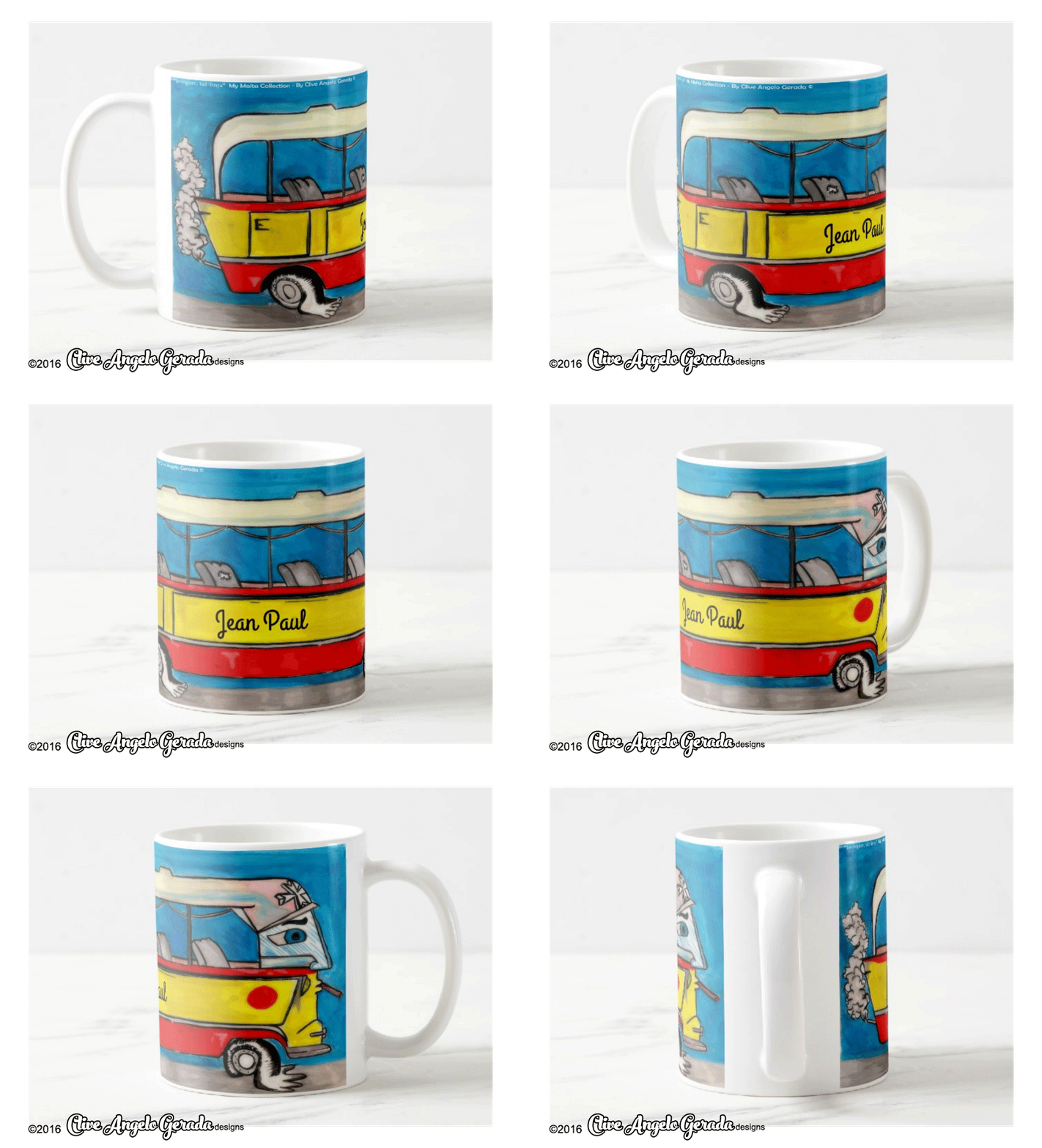
Pietru is-Sigarr, tal-linja"
The Maltese bus a.k.a (xarabank, karozza tal-linja) was both the bus used for public transport on the Mediterranean country of Malta, and also a major tourist attraction on the island, due to their unique appearance grounded in the bus ownership and operation model employed onMalta. The artwork here depicts the bus as the traditional maltese bus driver.
Product Number: MM00108
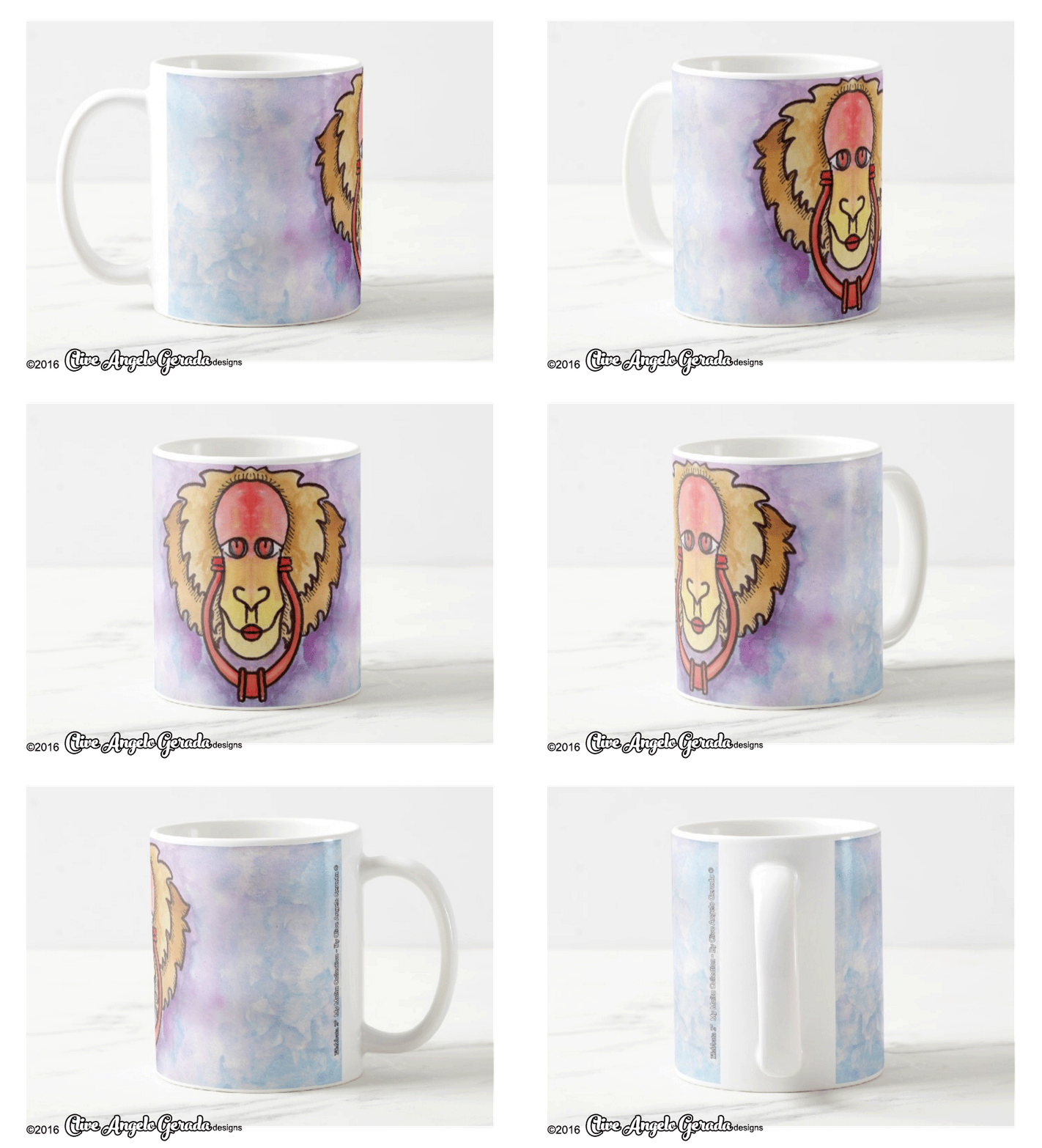
"Il-ħabbata"
History tells us that in pre-medieval and early medieval times, people did not knock on doors, but in fact used to scratch at them in order to announce their presence. Today, this may sound very strange and unpractical, yet one must remember that few if any Maltese used to actually lock their doors at the time, and that bashing at one’s facade was considered quite rude.
With the passage of time, the practice of scratching at doors was replaced with knocking, and this is how the “ħabbata” or door knocker, entered the picture. These door-knockers, which were available in numerous motifs, shapes and sizes, were to be found on every town house and dwelling, and helped the residents to either open or close their doors more easily. Door knockers could be made of ceramic, metal, or even brass, and each door usually had two of them – one on each side, or wing, of the main door, which was thus given a more stately and elegant look.
source: http://www.livinginmalta.com
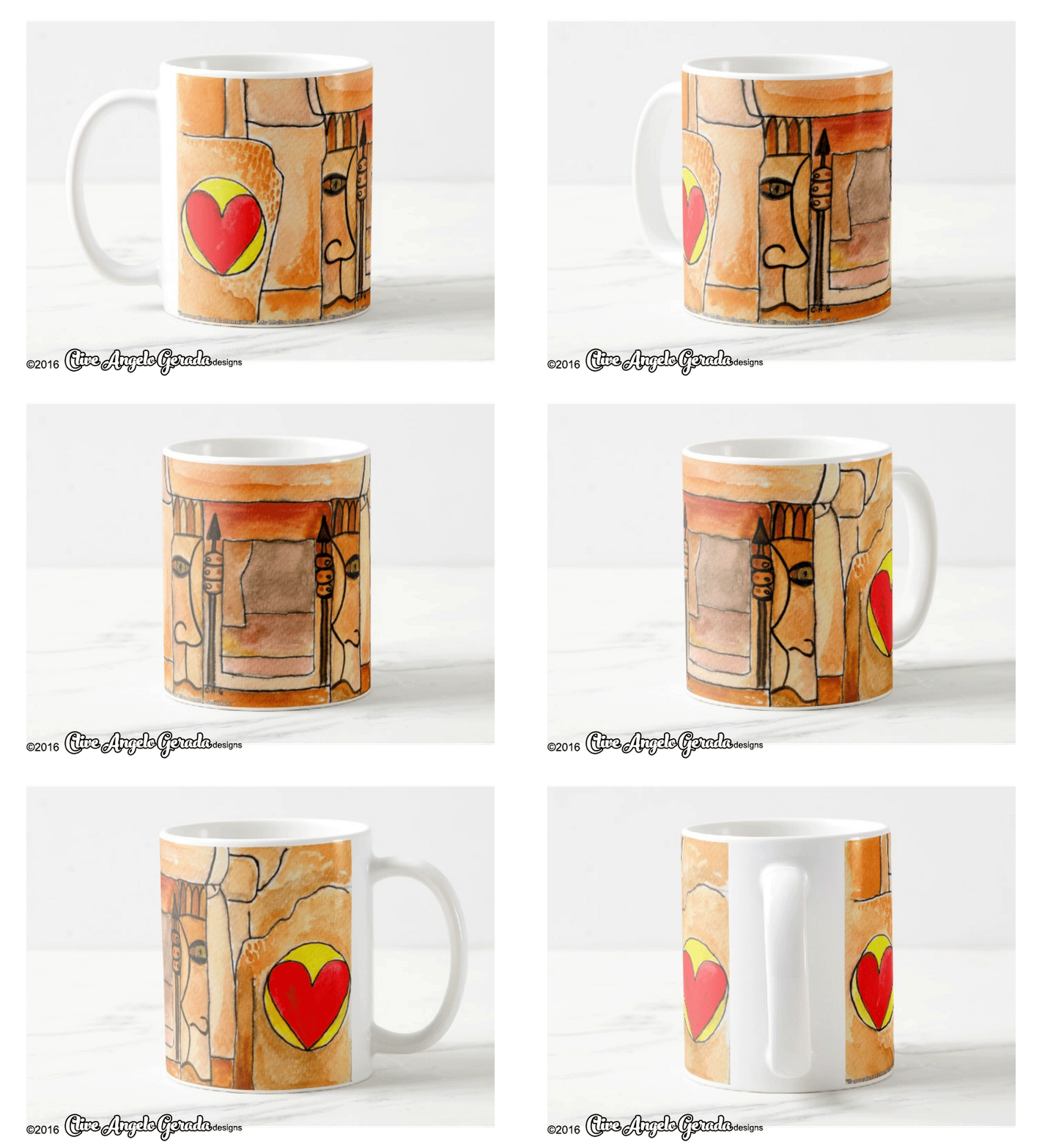
"Il-Gwardjani tal-Imnajdra">>>>>
The Mnajdra Temples are three conjoined Neolithic temples on the southern coast of Malta. Dating from about 3000 BC, Mnajdra ("mna-ee-dra") is reminiscent of the even earlier complex at Ggantija on Gozo. Mnajdra is less than 1 km downhill from the Hagar Qim temple complex. The two complexes seem to have built at different times, and their relationship is not known.
Product Number: MM00111
"Townhouses"
Product Number: MM00112
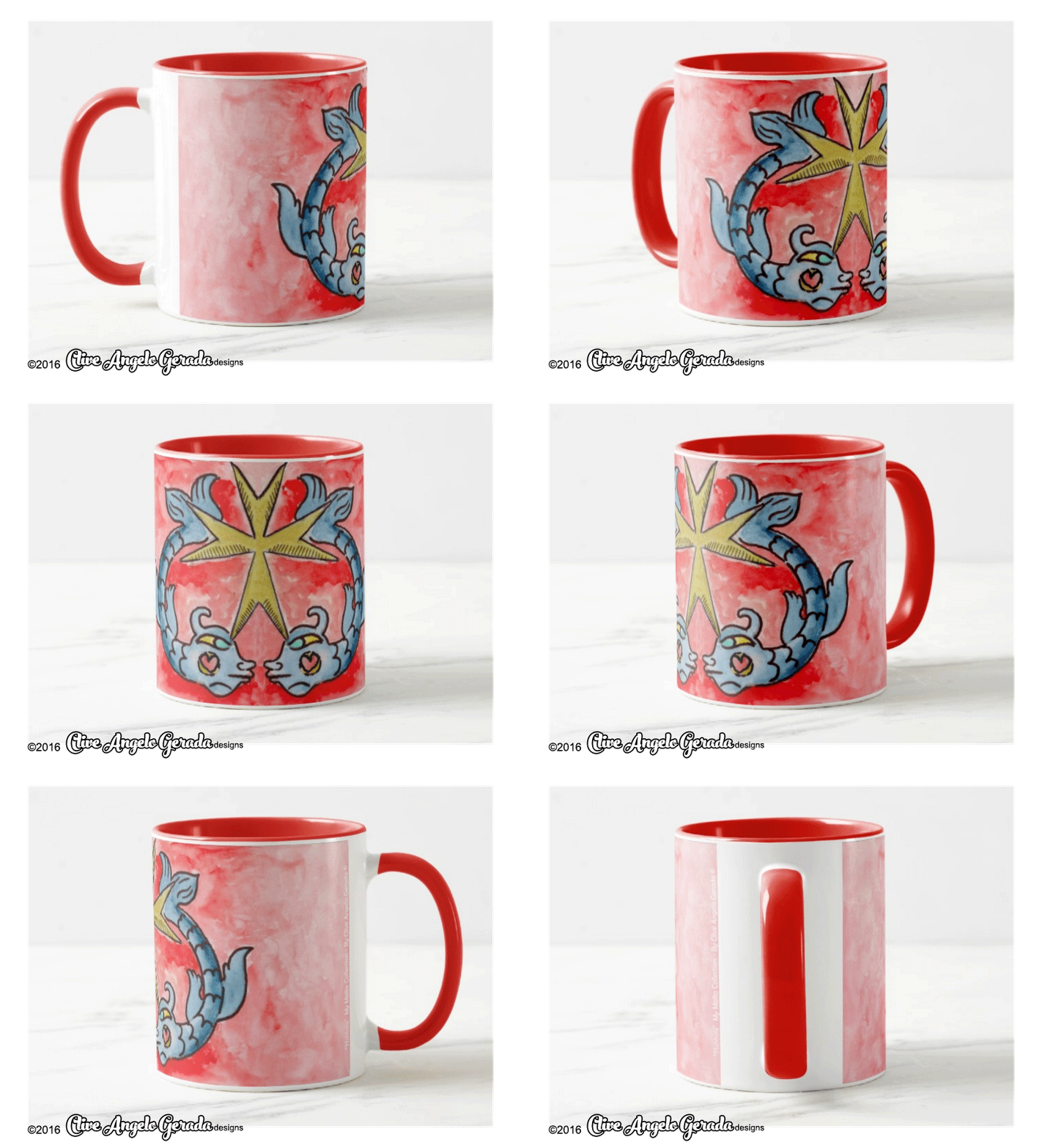

Product Number: MM00109
At the moment the inside of this mug comes only in white.
"Other Designs"


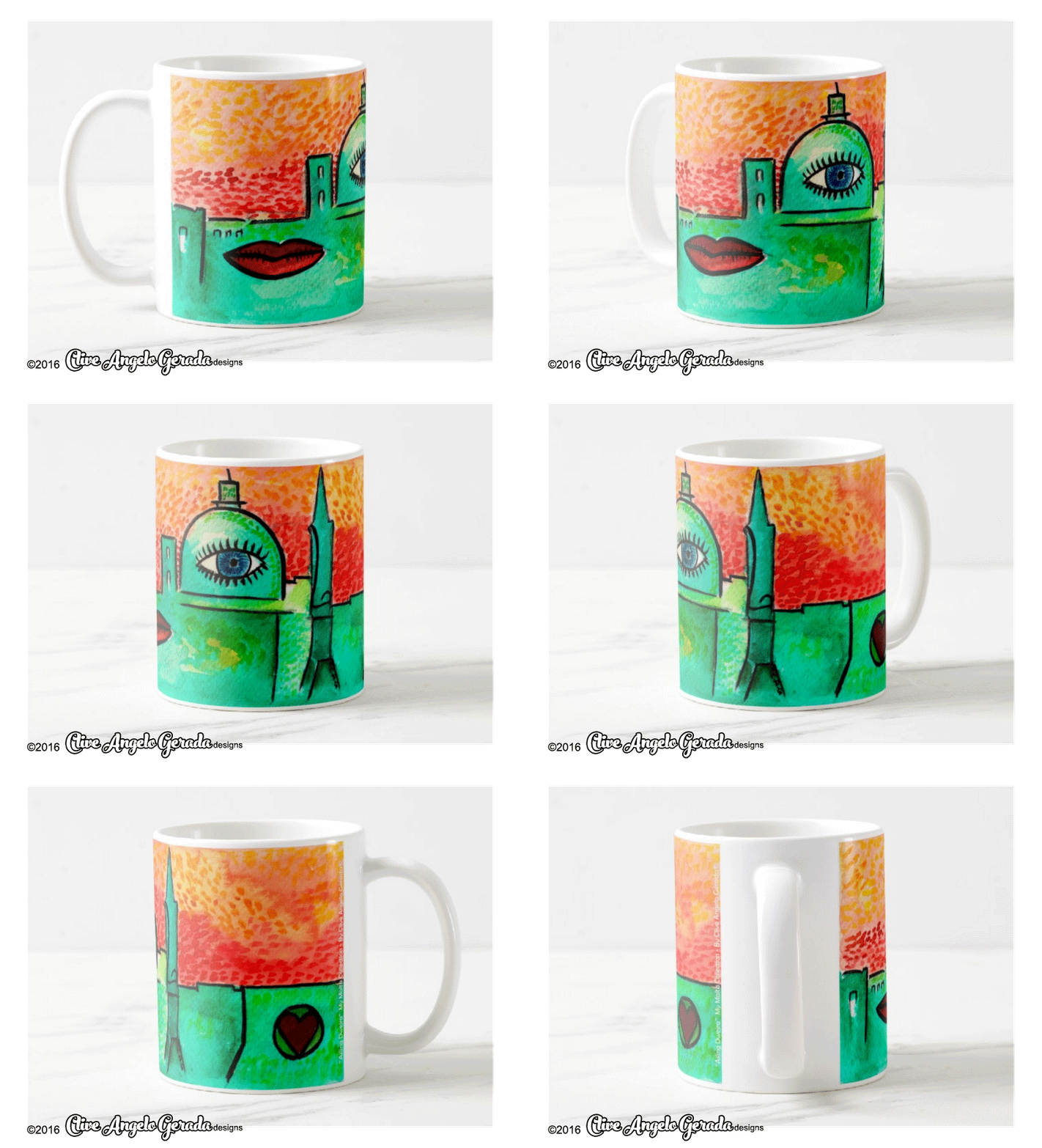
"Lady Dome - Mosta"
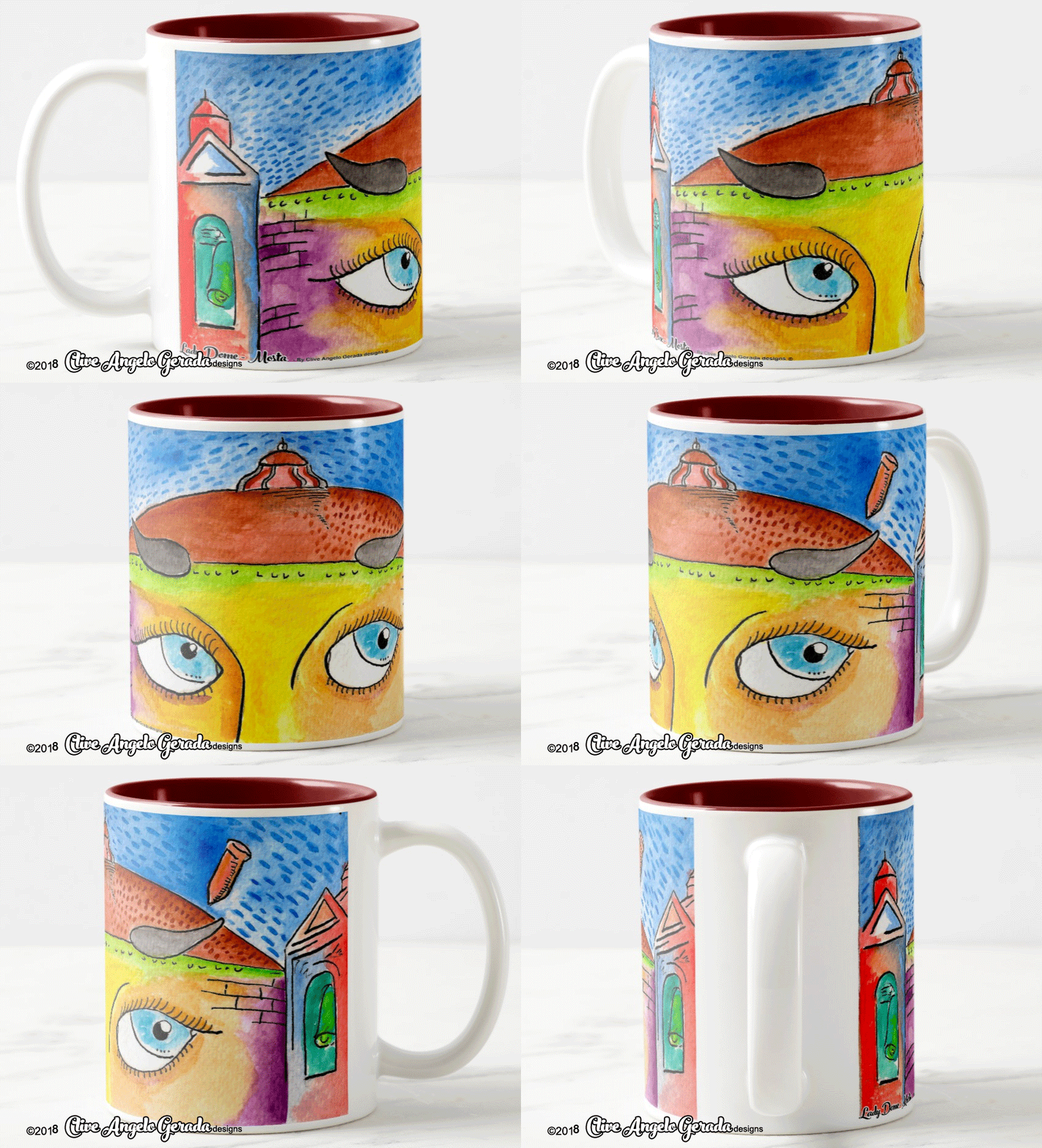
Product Number: MM00115
The Rotunda of Mosta, was built between 1833 and 1860's. It's design is based on the Pantheon of Rome, and at one point had the third largest unsupported dome in the world. The church narrowly avoided destruction during the Second World War.
"The Silent City"
Product Number: MM00113
"Balluta"
Product Number: MM00114

"Bieb il-Bombi"

Product Number: MM00116